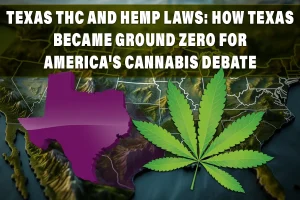
Texas THC and Hemp Laws: How Texas Became Ground Zero for America’s Cannabis Debate
Texas, THC, and the New American Cannabis Debate: How the Lone Star State Became Ground Zero for Hemp and Cannabis Policy Texas has become

As the 2024 election season gains momentum, the spotlight on cannabis reform has intensified, with significant implications for the industry and consumers alike. The potential reclassification of cannabis and its legalization at both state and federal levels is shaping up to be a pivotal issue in the upcoming election.
One of the most anticipated developments in cannabis legislation is the potential reclassification of the plant at the federal level. Currently classified as a Schedule I substance under the Controlled Substances Act, cannabis is grouped alongside drugs like heroin, indicating a high potential for abuse and no accepted medical use. This classification has long been criticized by advocates, especially given the growing body of research supporting the medicinal benefits of cannabis.
In 2024, there is renewed momentum for reclassification, driven by bipartisan support in Congress and public opinion favoring reform. If cannabis is reclassified to a lower schedule, such as Schedule II or III, it would recognize its medical potential and significantly ease federal restrictions on research, banking, and interstate commerce. This shift could open new doors for companies like NuVue Pharma, allowing for expanded research and product development.
While federal reclassification is crucial, state-level legalization remains a key battleground in the 2024 election. Several states are poised to put cannabis legalization measures on the ballot, with the potential to expand the number of states where recreational cannabis is legal.
In states like Ohio, Florida, and Missouri, advocacy groups have gathered enough signatures to bring the issue to voters in November. These measures, if passed, would not only legalize recreational cannabis but also set the stage for establishing comprehensive regulatory frameworks, taxation policies, and social equity programs.
For companies like NuVue Pharma, the outcomes of the 2024 election could be transformative. Federal reclassification would likely reduce barriers to research and development, enabling the exploration of new cannabis-based therapies and products. Additionally, broader legalization at the state level would expand market opportunities, allowing companies to serve a larger customer base.
Moreover, the election could influence regulatory policies, with potential changes to advertising restrictions, product labeling requirements, and taxation structures. Staying informed and agile in response to these changes will be essential for companies operating in the cannabis sector.
Public opinion on cannabis has shifted dramatically in recent years, with a majority of Americans now supporting legalization. This change in sentiment is reflected in the political landscape, where candidates across the political spectrum are increasingly embracing cannabis reform as a key issue. The 2024 election will likely see candidates at all levels of government, from the presidency to local offices, addressing cannabis policy in their platforms.
As the 2024 election approaches, the cannabis industry stands at a crossroads. The potential for federal reclassification and expanded state-level legalization presents both opportunities and challenges. At NuVue Pharma, we remain committed to advocating for sensible cannabis policies that prioritize public health, safety, and access to high-quality products.
Stay tuned for further updates on this critical issue as we navigate the evolving landscape of cannabis legislation in the United States.

Texas, THC, and the New American Cannabis Debate: How the Lone Star State Became Ground Zero for Hemp and Cannabis Policy Texas has become

DEA’s Latest Cannabis Rescheduling Hearing Sparks Controversy The DEA cannabis rescheduling hearing has become one of the most closely watched events in the ongoing
Cannabis Rescheduling Hearings Could Reshape the U.S. Marijuana Industry For more than fifty years, cannabis has remained classified as a Schedule I controlled substance
For small businesses, online reviews are no longer optional; they are an economic infrastructure. A one-star swing in ratings can materially alter consumer traffic,
Spring is officially here, and for cannabis cultivators, that means it’s go time. Whether you’re a seasoned grower or planting your first seeds, preparation now
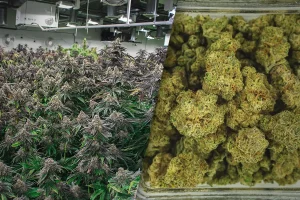
The harvest season is the most anticipated time for cannabis growers — when months of careful cultivation finally pay off. But cutting down the plants

Is THCA legal? Explore the fast-evolving U.S. debate over hemp-derived THCA, including industry divide, consumer safety, regulations, economics, and outlook. What is THCA, and why

As cannabis cultivation continues to expand in legal markets, growers are increasingly facing one of nature’s toughest challenges… extreme summer heat. Unlike indoor grow operations

As cannabis becomes increasingly mainstream in the United States, confusion still reigns over the difference between marijuana and hemp, two forms of the same Cannabis

Big changes are blooming at NuVue Pharma — and it’s all good news for your wallet. We’ve heard your feedback and looked closely at how