For small businesses, online reviews are no longer optional; they are an economic infrastructure. A one-star swing in ratings can materially alter consumer traffic, search rankings, and monthly revenue. That reality has made review platforms extraordinarily powerful gatekeepers in the digital economy.
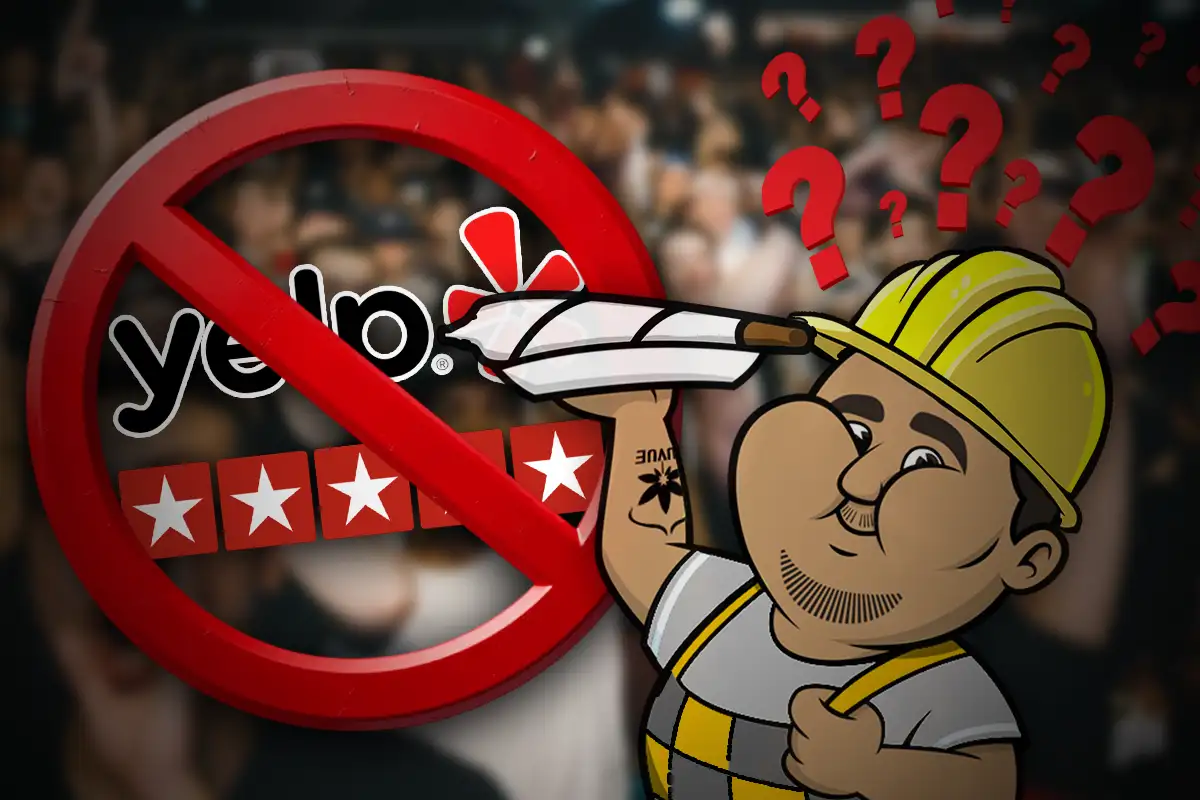
Among those platforms, Yelp remains one of the most controversial.
For more than a decade, thousands of business owners have alleged that Yelp’s automated filtering system disproportionately suppresses legitimate positive reviews while prominently displaying negative ones. The company denies wrongdoing and maintains that its recommendation software is designed to combat fake reviews and manipulation. Yet lawsuits, academic research, and persistent complaints from entrepreneurs continue to fuel skepticism, particularly among highly regulated industries like cannabis.
Small businesses operate in a trust economy. Restaurants, salons, contractors, and dispensaries rely heavily on local search visibility and consumer sentiment to attract new customers.
That dependency creates a disproportionate power imbalance between platforms and businesses. When reviews are hidden, filtered, or reclassified by opaque algorithms, companies can lose visibility overnight without understanding why.
For cannabis dispensaries, the stakes are even higher
Because cannabis remains federally illegal in the United States, dispensaries face severe restrictions on paid advertising through major digital platforms such as Google Ads, Meta, and traditional broadcast networks.
As a result, cannabis operators depend heavily on organic search traffic, word-of-mouth referrals, review platforms, local SEO visibility, and consumer trust.
If Yelp filters out positive dispensary reviews, operators often have few alternative marketing channels available.
What Is Yelp’s “Review Suppression” System?
Yelp refers to the practice as its “recommendation software” or review filter.
Newly created accounts, Coordinated review behavior, inactive reviewer profiles, spam patterns and more are all filtered.
Critics argue the system lacks transparency and disproportionately filters authentic positive reviews from legitimate customers.
A 2013 Forbes analysis noted that Yelp’s filtering criteria are not publicly disclosed, and many businesses have complained that valid positive reviews were hidden.
Academic research has amplified those concerns.
A 2022 longitudinal study analyzing more than 12.5 million Yelp reviews found that reviews routinely shifted between “recommended” and “not recommended” categories over time, sometimes materially changing business ratings without any new reviews being added.
Another 2023 academic audit concluded that Yelp’s system appeared more likely to suppress reviews from less-established users and found disparities connected to neighborhood demographics and economic conditions.
For small cannabis retailers already fighting banking limitations, tax burdens under IRS 280E, and restrictive licensing laws, algorithmic instability adds another layer of economic uncertainty.
Yelp has faced years of litigation and regulatory scrutiny tied to allegations that it manipulated reviews or pressured businesses into purchasing advertising.
Multiple class-action lawsuits were filed against Yelp beginning around 2009–2010
At least three major lawsuits sought class-action status, alleging unfair business practices and extortion-like conduct.
The best-known federal case, Levitt v. Yelp! Inc., reached the Ninth Circuit Court of Appeals in 2014.
Yelp ultimately prevailed in the major extortion-related lawsuits.
Courts ruled that even if Yelp manipulated review placement, the conduct did not legally constitute extortion under existing law.
The lawsuits generally alleged that positive reviews disappeared after businesses declined advertising purchases.
Negative reviews became more prominent.
Yelp sales representatives implied that advertising could improve review visibility.
Yelp has consistently denied these accusations.
Importantly, courts did not affirmatively conclude that Yelp manipulated reviews in exchange for advertising dollars. Rather, judges ruled that plaintiffs failed to meet the legal threshold for extortion claims.
Still, the persistence of complaints has damaged trust among many independent operators.
FTC complaint disclosures reported ongoing grievances from small businesses alleging “strong-arm tactics” and unfair review handling.
Why Cannabis Businesses Feel Especially Vulnerable
Cannabis businesses face unique structural disadvantages that magnify Yelp-related frustrations.
1. Advertising Restrictions
Unlike mainstream retailers, dispensaries cannot freely run Google Ads, socail media advertising campaigns, and traditional television advertising in many markets.
That leaves reviews and local SEO disproportionately important.
2. New Customer Accounts Get Filtered
Many dispensary customers create Yelp accounts solely to review a favorite shop. Yelp’s algorithm reportedly treats new or low-activity accounts as less trustworthy, increasing the likelihood that reviews get filtered.
This dynamic repeatedly appears in small business complaints online.
3. Regulatory Complexity
Cannabis operators already navigate licensing compliance, Local zoning, banking limitations, tax penalties, and other state-by-state regulations.
Adding opaque reputation-management systems increases operational volatility.
4. Competitive Manipulation Risks
Cannabis markets are highly competitive. Operators frequently claim competitors weaponize negative reviews while authentic positive feedback disappears into Yelp’s filter.
Although such allegations are difficult to verify, the perception alone creates distrust in the platform ecosystem.
Yelp strongly rejects claims that it suppresses reviews to pressure businesses into buying ads.
Advertising does not affect review recommendations.
Automated systems protect consumers from fake reviews
.
Platforms with weaker moderation often display inflated ratings.
Yelp has pointed to research suggesting its review ecosystem may actually be more reliable than competitors because it aggressively filters suspicious content.
The company also notes that fake review activity is widespread across the internet and that sophisticated filtering is necessary to maintain platform integrity.
From an economic standpoint, Yelp’s argument is rational: if consumers lose trust in review authenticity, the platform’s long-term value collapses.
The core issue, however, is transparency. Small businesses often have little visibility into why specific reviews disappear.
The Yelp controversy reflects a larger structural problem in the digital economy.
These platforms effectively function as private regulators of commercial visibility.
When rankings, reviews, or recommendations shift, businesses can experience immediate revenue consequences with limited recourse or transparency.
Cannabis companies are especially exposed because they operate in an already restricted marketplace with fewer advertising alternatives.
How Small Businesses Can Combat Yelp Review Suppression
Although businesses cannot directly control Yelp’s algorithm, operators can reduce risk and diversify their online reputation strategy.
Diversify Review Sources.
Never rely exclusively on Yelp.
Cannabis businesses should actively build reviews across Google Business Profiles, Leafly, Weedmaps, Facebook, and other outlets.
Diversification reduces dependence on any single algorithm.
Encourage Established Users to Leave Reviews.
Reviews from long-standing Yelp users with completed profiles and review histories are more likely to remain visible.
Repeat customers
Active Yelp users
Organic review experiences
Instead:
Ask broadly for honest feedback.
Never pressure customers for five-star ratings.
Build First-Party Customer Channels
Smart operators increasingly prioritize assets they own directly, such as email lists, SMS marketing, loyalty programs, and community memberships.
Invest in SEO Beyond Yelp
These channels reduce dependence on third-party platforms.
Cannabis businesses should strengthen Google Business profiles, website content, local landing pages, blog publishing, and more.
Strong organic SEO can offset Yelp volatility.
Monitor Hidden Reviews
Business owners should regularly check Yelp’s “Not Recommended Reviews” section to identify filtering patterns and customer behavior trends.
Capture Reviews Immediately After Service
The Future of Online Review Platforms
As artificial intelligence and automated moderation systems become more powerful, disputes over algorithmic fairness will likely intensify.
Consumers want trustworthy reviews. Businesses want transparent treatment. Platforms want scalable moderation systems that prevent fraud.
Balancing those interests remains one of the central challenges of the digital marketplace.
Whether Yelp’s filtering system is a legitimate anti-spam mechanism or an unfair burden on small businesses remains fiercely debated. But one fact is clear: in the modern economy, platform visibility is no longer just a marketing issue… it is a competitive necessity.