A New Political Landscape for Cannabis Legalization
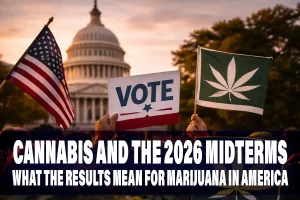
The 2026 midterm elections could mark an important turning point for cannabis legalization in the United States. With Democrats gaining control of both chambers of Congress and making significant gains in several states, marijuana reform may receive renewed attention heading into 2027.
Although the election did not deliver nationwide legalization, the results created new opportunities for states considering recreational marijuana, expanded medical cannabis access, and more comprehensive THC regulations.
For cannabis businesses, consumers, and legalization advocates, the next two years could bring significant changes.
States to Watch in 2027
Several states are positioned to make meaningful progress toward marijuana legalization.
Pennsylvania: Democrats gaining control of the state Senate removes a major obstacle to recreational marijuana legalization. With Governor Josh Shapiro supporting reform, Pennsylvania could become one of the next major adult-use cannabis markets.
Wisconsin: Democrats gaining control of the Legislature, combined with incoming Governor David Crowley’s support for full legalization, creates new momentum for recreational marijuana. Legalization could also help Wisconsin retain cannabis-related revenue currently flowing to neighboring states.
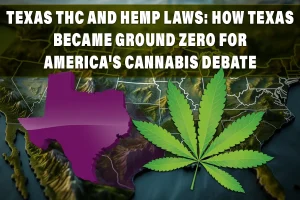
Texas: Texas experienced a major political shift, creating opportunities to reconsider marijuana laws and hemp-derived THC regulations. With its large population and potential consumer market, Texas could become one of the country’s most significant cannabis markets if legalization advances.
New Hampshire: A new Democratic legislative majority could renew efforts to legalize recreational marijuana. However, opposition from Governor Kelly Ayotte means bipartisan support may be necessary.
Voters Send a Message About Cannabis Reform
Two important ballot measures also demonstrated the growing political importance of cannabis policy.
In Massachusetts, approximately 75.6% of voters rejected Question 8, preserving the state’s recreational marijuana market.
In Idaho, voters rejected HJR 4, protecting their ability to pursue future marijuana legalization through citizen-led ballot initiatives.
Neither vote legalized marijuana in a new state. However, both results demonstrate resistance to restricting existing cannabis reform opportunities.
Houston also approved a measure making misdemeanor marijuana possession the city’s lowest law enforcement priority, highlighting continued interest in local cannabis decriminalization.
Federal Marijuana Reform: What Happens Next?
The federal government remains one of the biggest factors influencing the future of cannabis legalization.
In April 2026, federal authorities moved qualifying medical marijuana products and state-licensed medical marijuana into Schedule III of the Controlled Substances Act. However, broader marijuana rescheduling remains a separate administrative process.
This distinction is important: rescheduling is not the same as federal legalization.
Democratic control of Congress could create opportunities to revisit several major issues:
- Cannabis banking and access to financial services.
- Federal marijuana taxation and Section 280E.
- Medical cannabis research and patient protections.
- Criminal justice reform and marijuana expungements.
- Interstate cannabis commerce.
- Comprehensive federal marijuana legalization.
However, with President Trump remaining in office, disagreements between Congress and the executive branch could limit major legislative changes.
What Does This Mean for the Cannabis Industry?
The election results could create substantial economic opportunities.
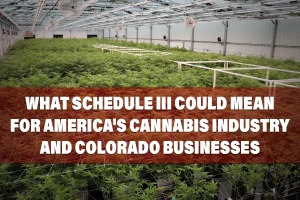
New recreational marijuana markets in Pennsylvania and Wisconsin would generate demand for dispensaries, cultivation facilities, manufacturers, testing laboratories, and cannabis-related services.
Texas could become particularly important as lawmakers reconsider regulations governing hemp-derived THC products.
Existing cannabis businesses may also benefit from greater regulatory clarity and potential federal tax relief.
At the same time, the industry will continue facing challenges involving competition, licensing, taxation, product safety, and access to capital.
Predictions: The Future of Cannabis Legalization Through 2030
Looking ahead, several developments appear increasingly possible:
- Pennsylvania and Wisconsin could legalize recreational marijuana in 2027. Both states now have more favorable political conditions for reform.
- Texas could make significant progress toward THC regulation. Broader marijuana legalization remains possible, although it may take longer.
- More states will consider adult-use legalization. Economic opportunities and neighboring legal markets will continue influencing state lawmakers.
- Federal cannabis reform will advance incrementally. Banking, taxation, medical research, and regulatory clarity may move ahead of comprehensive legalization.
- Hemp-derived THC will receive increased regulatory attention. Clearer rules for manufacturing, testing, labeling, and retail sales are likely to become national priorities.
Conclusion: The Next Chapter of American Cannabis Legalization
The 2026 midterm elections have changed the political landscape surrounding marijuana legalization.
Pennsylvania and Wisconsin have emerged as leading candidates for recreational cannabis reform, Texas has experienced a major political shift, and federal marijuana policy may receive renewed congressional attention.
Although nationwide legalization remains uncertain, the direction of cannabis reform continues to evolve.
The next few years will likely focus on expanding legal markets, improving regulations, protecting consumers, and resolving the conflict between state marijuana laws and federal prohibition.
The 2026 elections may not have legalized cannabis nationwide, but they have opened the door to another significant chapter in America’s cannabis industry.